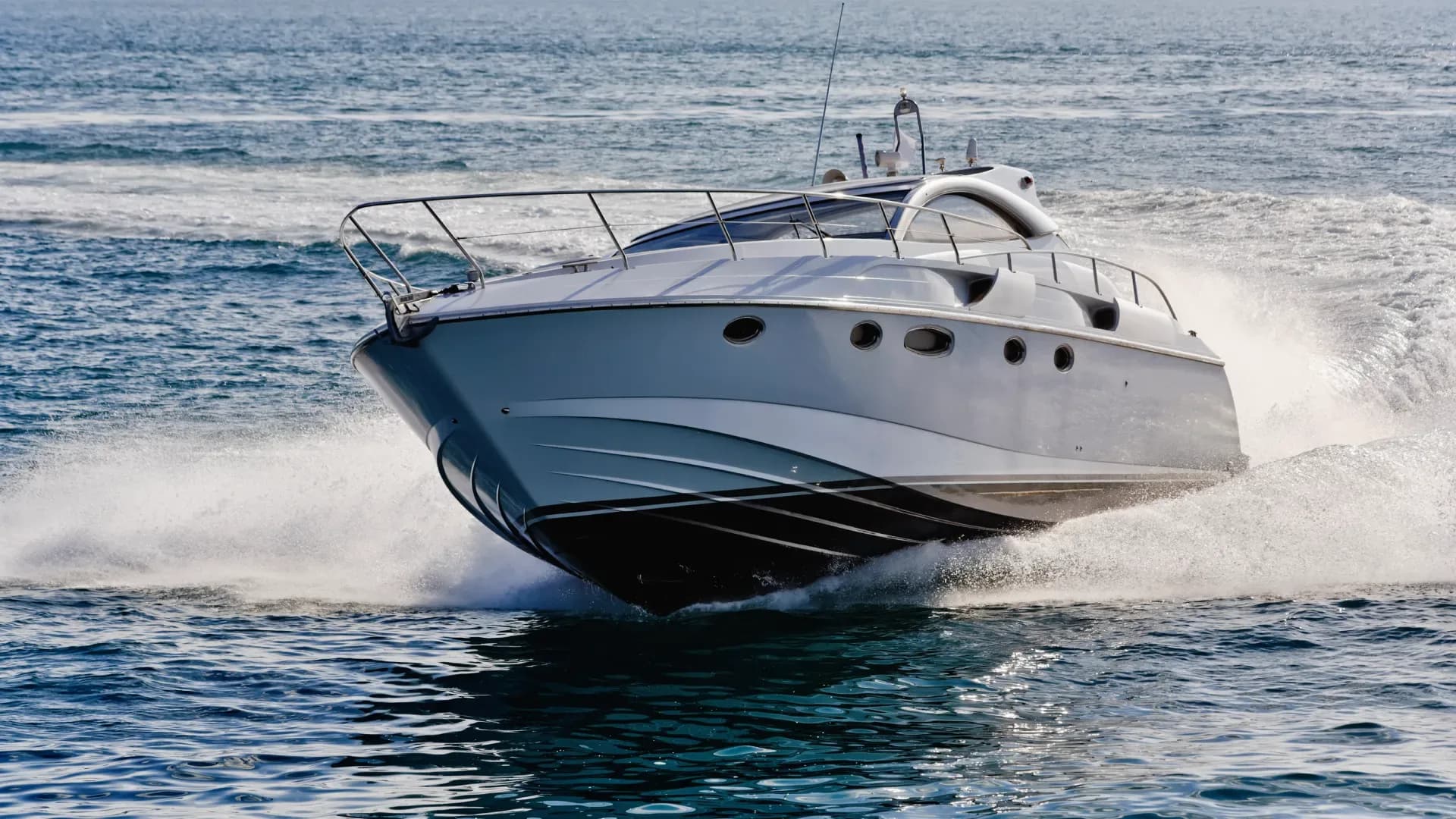
Use this used boat inspection checklist to review the hull, deck, engine, systems, interior and paperwork before deciding whether to make an offer.
A first inspection of a used boat should answer one practical question:is this boat promising enough to justify the next step?You are not trying to replace a marine surveyor. You are trying to spot obvious problems, confirm that the boat matches the listing and decide whether to spend more time and money on a professional survey, haul-out, engine inspection or sea trial.
The best approach is systematic. Start before you arrive by reviewing the listing and documents. Then inspect the boat from the outside in: hull and underwater gear, deck and cockpit, rig if fitted, engine and propulsion, electrical and plumbing systems, interior, safety equipment and paperwork.
Table of contents
- How to use this checklist
- Before you visit the boat
- Hull and underwater structure
- Deck, cockpit and fittings
- Rig and sails on a sailing boat
- Engine and propulsion
- Electrical system and batteries
- Plumbing, tanks and onboard systems
- Interior and signs of water ingress
- Safety equipment
- Documents and service history
- Red flags that deserve specialist attention
- Buyer inspection vs professional marine survey
- Printable inspection checklist
- FAQ
How to use this checklist
Bring a notebook or use your phone to record observations. Photograph details with the seller's permission, especially anything you may want to compare with another boat later.
Do not judge the entire boat from one cosmetic defect. A faded cushion is not the same category of problem as structural damage, water ingress, corroded wiring or a propulsion fault. Separate your notes into three groups:
- cosmetic:appearance and finish
- maintenance:items likely to need service or replacement
- material risk:faults that could affect structure, propulsion, safety, title or the cost of ownership significantly
That distinction makes the inspection much more useful when you later discuss the boat with a surveyor or seller.
Before you visit the boat
A good inspection begins before you step aboard.
Ask the seller or broker for:
- current listing and full specification
- build year and exact model/version
- engine make, model, power and recorded hours if available
- registration details
- service history
- recent maintenance and major repair invoices
- information about grounding, collision, osmosis treatment or structural repairs if known
- standing-rigging age on a sailing boat if documented
- sail inventory and approximate age if known
- equipment included in the sale
- known defects
- date of last haul-out and antifouling
If an engine inspection is important to you, ask whether the engine can be seen from cold. A warm engine may make some starting issues harder to observe. Do not insist on a cold start where local yard rules, weather or the seller's operating procedure make it inappropriate, but agree expectations in advance.
Also ask where the boat can be inspected ashore. A boat seen only afloat limits what you can observe below the waterline.
Hull and underwater structure
Walk around the hull slowly. View it from several angles and, if the boat is ashore, look along the hull rather than only directly at it.
Check for:
- cracks, impact marks or repairs in the hull surface
- uneven fairing or areas with different paint texture
- blistering or unusual surface defects
- damage around the keel, chines, transom and bow
- signs of previous grounding around the keel or lower hull
- corrosion on metal hulls and metal fittings
- condition of anodes
- propeller damage
- shaft, saildrive or sterndrive condition where visible
- rudder damage or obvious play that deserves further investigation
- through-hull fittings and seacocks that are visible and safely accessible
A buyer should not try to diagnose laminate condition, osmosis, metal thickness or structural integrity from appearance alone. Those are areas where a qualified surveyor may use moisture meters, sounding, thickness measurements and other methods.
Adriatic-specific observation
Boats kept in warm, sunny and salty conditions may show strong UV exposure, faded gelcoat, degraded sealants and corrosion around exposed metalwork. These signs are not automatic deal-breakers, but they help you estimate the level of maintenance the boat has received.
Deck, cockpit and fittings
Move around the deck carefully and look for both condition and function.
Check:
- deck surface and non-slip areas
- local softness or movement underfoot
- hatches and portlights
- seals and evidence of leaks
- stanchions, pulpits and guardrails
- cleats, fairleads and mooring points
- windlass and anchor gear
- cockpit drains
- steering wheel or tiller movement
- helm controls
- winches, tracks and deck hardware on sailing boats
- canvas, bimini, sprayhood and covers
- teak or synthetic decking condition where fitted
Pay special attention to areas around deck hardware. Movement, cracking or water staining can justify a closer survey.
For boats used frequently in Mediterranean-style stern-to mooring, inspect the stern area, swim platform, passerelle fittings and transom hardware for wear or impact damage.
Rig and sails on a sailing boat
A visual buyer inspection can tell you whether the rig looks cared for, but it cannot certify rigging condition.
From deck level, look at:
- mast straightness and visible damage
- standing rigging and terminals
- chainplates and their attachment areas where visible
- turnbuckles and split pins
- running rigging condition
- boom and gooseneck area
- furling system
- mast step area
- sail condition, stitching and UV strips
- reefing points
- winches and clutches
If the standing rigging has no documented replacement history, or if corrosion, cracking, broken strands or damaged terminals are visible, arrange a rigging inspection. Do not climb the mast for a casual buyer inspection unless this is done safely by a competent person with the owner's permission.
Engine and propulsion
The engine deserves more than a glance at the hour meter.
Before starting, inspect the engine space where safely accessible. Look for:
- oil, fuel or coolant leaks
- heavy corrosion
- loose or damaged hoses
- cracked or badly worn belts
- poor hose-clamp condition
- damaged wiring
- contaminated or very dirty bilge areas around the engine
- condition of mounts where visible
- service labels or dates
- obvious evidence of neglected maintenance
Ask for service invoices and confirm whether major manufacturer-specified service items have been completed when due. Model-specific intervals must be checked against the engine manufacturer's documentation.
During a start and sea trial, note:
- ease of starting
- warning lights and alarms
- charging indication
- cooling-water flow where the system has a visible discharge
- unusual smoke, smell, vibration or noise
- throttle and gear engagement
- steering response
- whether the engine reaches a normal operating condition without alarms
Do not attempt to diagnose an engine from smoke colour or one sound if you do not have the technical background. Record the symptom and ask a marine mechanic or surveyor to assess it.
Outboards and sterndrives
For outboards, inspect the cowling, mounting, tilt/trim operation, lower unit and propeller. For sterndrives, bellows, corrosion, trim components and drive condition can be important specialist inspection points. A visual check is only the first layer.
Electrical system and batteries
Electrical problems can range from minor inconvenience to serious safety risk.
Without opening live equipment or disturbing wiring, inspect:
- battery condition and installation
- battery dates if labelled
- terminals and visible corrosion
- battery restraints
- main switches
- distribution panel
- navigation lights
- cabin lights
- bilge pumps
- freshwater pumps
- electronics powering up
- shore-power connection and cable condition where fitted
- visible wiring quality
- loose household-style extensions or improvised connections
A neat installation is not proof of correctness, and a messy installation is not automatically dangerous, but burnt insulation, exposed conductors, overheated terminals or improvised high-current wiring should be treated seriously.
If the boat has lithium batteries, inverters, solar, generators or other complex power systems, consider a specialist electrical inspection.
Plumbing, tanks and onboard systems
Test accessible systems with permission.
Look at:
- bilge pumps and float switches
- freshwater pump
- taps and showers
- heads and holding-tank system
- water heater
- visible hoses and clamps
- tank leaks or strong unexplained odours
- gas installation if fitted
- refrigeration
- heating or air conditioning
- generator
Do not assume every system is included in a normal pre-purchase survey. Ask the surveyor specifically about systems that matter to you.
Interior and signs of water ingress
The interior often reveals the history of the boat.
Check:
- smell when first opening the cabin
- staining around windows and deck fittings
- headliner marks
- damp cushions or lockers
- visible mould
- condition of sole boards
- bilges beneath the floor where accessible
- bulkheads and structural furniture
- doors and locker alignment
- corrosion around interior fasteners
- upholstery condition
- galley equipment
- fridge operation
- heads and shower areas
Fresh upholstery and detailing can make a boat look excellent while older leaks or structural issues remain. Look behind cushions, under mattresses and inside lockers where access is permitted.
Safety equipment
Record what is present and check visible service or expiry dates where relevant.
Depending on the boat and intended navigation, items may include:
- lifejackets or personal flotation devices
- fire extinguishers
- distress equipment
- first-aid kit
- liferaft
- VHF radio
- emergency steering equipment
- navigation lights
- bilge pumps
- anchor and ground tackle
Do not use this article as a list of legally mandatory equipment. Requirements depend on jurisdiction, boat category, navigation area and use. Verify current rules with the competent maritime authority before operating the boat.
Documents and service history
Technical condition and documentation should support each other.
Ask to see, where relevant:
- registration document
- proof of ownership
- hull identification details
- engine serial details
- previous bills of sale or invoices
- builder's certificate or conformity documents
- engine and equipment manuals
- service log and invoices
- rigging, sail or major refit invoices
- insurance survey history if available and lawfully shareable
- haul-out and antifouling records
- records of damage and repair
Be cautious where the seller's story, dates, serial numbers and paperwork do not line up. A missing receipt is not automatically a serious problem, but multiple inconsistencies deserve investigation before money changes hands.
Red flags that deserve specialist attention
Any of the following should slow the process down:
- seller refuses a reasonable document review
- boat identity does not match the paperwork
- unexplained structural cracks or distortion
- significant water ingress
- strong fuel smell or visible fuel leakage
- overheated, burnt or improvised electrical connections
- heavy corrosion around critical fittings
- abnormal engine alarms, vibration, noise or leakage
- evidence of major repair with no explanation or records
- seller refuses a reasonable survey, haul-out or sea trial for a substantial purchase
- repeated pressure to pay before agreed checks are complete
A red flag does not always mean walk away. It means do not explain the issue away yourself. Get a qualified person to investigate it.
Buyer inspection vs professional marine survey
A buyer inspection and a marine survey have different purposes.
Buyer inspection | Professional pre-purchase survey |
|---|---|
Helps decide whether to continue | Provides an independent professional condition assessment within an agreed scope |
Uses normal observation and simple functional checks | May use specialist tools and established survey methods |
Good for comparing several boats | Best used on a serious purchase candidate |
Does not certify structure or systems | Can assess structure and systems within survey limitations |
Should not involve dismantling or unsafe access | Scope and access are agreed professionally |
The International Institute of Marine Surveying describes the pre-purchase survey as an essential part of boat buying and highlights areas such as hull structure, deck, machinery, rig and equipment. Survey scope remains important because even a professional survey is generally non-destructive unless additional work is specifically agreed.
Printable used boat inspection checklist
Before the visit
- ☐ Full specification received
- ☐ Registration details requested
- ☐ Service history requested
- ☐ Known defects discussed
- ☐ Equipment included in sale confirmed
- ☐ Haul-out possibility checked
- ☐ Cold-engine request discussed if relevant
Hull and underwater gear
- ☐ Hull surface checked
- ☐ Keel and rudder checked where visible
- ☐ Propeller and drive checked
- ☐ Anodes checked
- ☐ Through-hulls visually checked where accessible
- ☐ Repairs or impact marks noted
Deck and cockpit
- ☐ Deck walked carefully
- ☐ Hatches and seals checked
- ☐ Guardrails and stanchions checked
- ☐ Mooring points checked
- ☐ Steering checked
- ☐ Windlass and anchor gear checked
- ☐ Cockpit drains checked
Sailing rig
- ☐ Mast inspected from deck level
- ☐ Standing rigging visually checked
- ☐ Chainplate areas checked
- ☐ Running rigging checked
- ☐ Sails and furling system checked
Engine and propulsion
- ☐ Engine space inspected
- ☐ Leaks noted
- ☐ Hoses and belts checked visually
- ☐ Service records reviewed
- ☐ Start observed
- ☐ Alarms and charging checked
- ☐ Gear engagement observed
- ☐ Sea-trial behaviour recorded
Electrical and onboard systems
- ☐ Batteries inspected
- ☐ Main switches and panel checked
- ☐ Navigation and cabin lights checked
- ☐ Bilge pumps checked
- ☐ Freshwater system checked
- ☐ Heads checked
- ☐ Fridge and major appliances checked
- ☐ Shore power visually checked where fitted
Interior
- ☐ Water stains checked
- ☐ Damp and mould checked
- ☐ Bilges inspected where accessible
- ☐ Lockers opened
- ☐ Sole and bulkhead areas checked
- ☐ Upholstery and joinery condition recorded
Documentation
- ☐ Proof of ownership seen
- ☐ Registration seen
- ☐ Boat identity matches papers
- ☐ Engine details match records
- ☐ Service history reviewed
- ☐ Conformity documents reviewed where relevant
- ☐ Major repair invoices reviewed
Frequently asked questions
Can I inspect a used boat myself?
Yes, a buyer-level inspection is useful for screening and comparing boats. It should not be treated as a substitute for an independent pre-purchase survey on a significant purchase.
What are the biggest red flags on a used boat?
Structural damage, unexplained water ingress, fuel leaks, seriously compromised wiring, major corrosion, abnormal machinery behaviour, inconsistent identity documents and resistance to reasonable survey or document checks all deserve specialist attention.
What should I check on a boat engine before buying?
Review service history and inspect for leaks, corrosion, damaged hoses or belts, poor wiring and neglected maintenance. Observe starting, alarms, charging, gear engagement and behaviour during a sea trial. Use a marine mechanic for model-specific diagnosis.
What is the difference between an inspection and a marine survey?
Your inspection is a buyer's screening check. A marine survey is an independent professional assessment with an agreed scope, usually covering condition and structural or system areas that require specialist knowledge.
Should I make an offer before or after a survey?
Both approaches exist. If you make an offer before the survey, the agreement should state clearly whether the purchase is subject to satisfactory survey, sea trial and document review, and what happens to any deposit if the conditions are not met.
Found a promising listing?Save it on Yahte, take this checklist to the viewing and compare your notes with other boats before making an offer.For the full transaction workflow, readHow to Buy a Used Boat in the Adriatic.